Table of Contents
- Oklahoma Home Selling
- Which Areas in Oklahoma Offer the Best Return on Investment and Are Easiest for Residential Property Development?
- What Home Styles, Sizes, and Features Tend to Sell Fastest in the Oklahoma Market?
- What Should Home Sellers Know About Zoning Laws, Permits, and Regulatory Requirements in Oklahoma?
- Which Towns or Cities in Oklahoma Are Easiest, and Hardest, When It Comes to Navigating Real Estate Regulations?
- What Are the Most Effective Flipping and Resale Strategies for Maximizing Profit in Oklahoma's Housing Market?
- How Should Sellers Price Their Homes to Attract Buyers While Maximizing Value in Oklahoma?
- Which Key Economic, Social, and Regulatory Factors Are Driving Current Trends in Oklahoma's Local Property Markets?
Oklahoma Home Selling

Oklahoma's housing market continues to enjoy steady appreciation rates, even as median prices remain well below typical home prices across the U.S. As of October 2025, the median sale price of homes in Oklahoma was $256,300 (+5% year over year). This figure makes Oklahoma real estate more affordable than many of its neighbors, including Colorado, Texas, New Mexico, and Arkansas.
In Oklahoma, homes typically sell after about 63 days on the market, roughly in line with the overall U.S. median. However, despite nearly 22,000 homes for sale in October 2025 (+9% year over year), demand continues to outpace available inventory, leading to a seller's market with 4 months of supply.
With an average effective property tax rate of 0.82%, Oklahoma represents the national median. Though some nearby states offer lower property taxes, neighbors like Texas and Kansas charge significantly more, making Oklahoma more moderate in its real-estate tax policies.
Despite its affordability, Oklahoma's foreclosure rate of one filing in every 3,816 units means it sees more foreclosures per capita than most other states. This rate is likely driven by factors like inflation, rising home prices, and pricey insurance premiums due to the state's location in Tornado Alley.
Overall, these numbers show that Oklahoma's housing market is stable and affordable. Homes sell at a moderate pace, and although supply remains relatively tight, available inventory is significantly higher than in recent years.
Which Areas in Oklahoma Offer the Best Return on Investment and Are Easiest for Residential Property Development?

Oklahoma offers a range of real estate opportunities. City centers attract rentals and mixed-use buildings, while suburbs and planned communities are ideal for new homes, and rentals close to universities are typically always occupied. Beyond these, there are locations across Oklahoma that offer investors the best return for their investment and are easy for residential property development. They include:
-
Oklahoma City: Oklahoma City has a strong rental and investment market, supported by a metro population of 1.46 million. Median home sale prices are affordable at $267,500, while average rents of around $1,400 per month. Infill development near the Streetcar and Midtown offers strong upside, and accessory dwelling unit (ADU) and flex-lot opportunities are available in select districts.
-
Edmond: With a steady population and good schools, Edmond offers long-term rental stability. The median home price sits at $324,900, higher than in many parts of the state, reflecting strong demand and rising home values. Rental demand is also healthy, with an average rent of $1,735 per month. East and South Edmond corridors support steady new-build activity, while ADU and flex-lot potential boosts return potential in certain areas.
-
Norman: Anchored by the University of Oklahoma, Norman benefits from constant student rental demand. With a median home price of $236,300 and average rent at $1,500, investors can find solid returns at reasonable entry costs.
-
Tulsa: The value of Tulsa homes has risen by over 61% in the past decade. The median sale price was around $234,000 as of October 2025, up 4% from the previous year. Average rent stands at around $1,300, making it a solid market for rental income. The Tulsa-area metro population is also expected to reach 1.5 million by 2034, which should continue to drive high demand for housing.
-
Broken Arrow: Broken Arrow combines affordability, demand, and growth potential. With a median home price of $229,300, Broken Arrow is one of Oklahoma's fastest-growing cities. The city also offers solid potential for rental income, with an average rent of $1,750.
-
Yukon: Yukon is a hotspot for property investors due to its affordable home prices and easy access to Oklahoma City. The median home price is around $306,000, with most homes selling in roughly 30 days in 2025.
-
Moore: Moore ranks number two among the best places to live in Oklahoma, due to its affordable housing and strong community. The median home price is around $220,000, making it a budget-friendly option for buyers. Renters also benefit, with a median rent of around $1,050 per month.
-
Stillwater: Home to Oklahoma State University, Stillwater offers steady demand for student and faculty housing, making it a reliable market for rentals and other investments. Homes in Stillwater have a median price of around $263,000, and properties sell quickly, averaging around 30-40 days on the market.
-
Midwest City: Midwest City offers strong investment potential due to its stable tenant base from Tinker Air Force Base. Homes are affordable, with a median sale price of around $180,000 and a median rent of $1,046 per month. The area has consistent population and job growth, keeping occupancy rates high and turnover low.
-
Bartlesville: Homes in Bartlesville are affordable, with a median price of around $190,000, making it ideal for those seeking budget-friendly properties. Property values have increased significantly, nearly 14% in the past year and over 70% in the last decade.
What Home Styles, Sizes, and Features Tend to Sell Fastest in the Oklahoma Market?
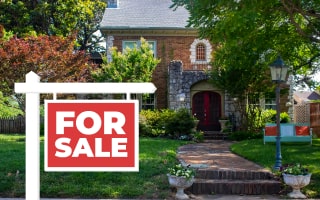
The housing market in Oklahoma is relatively balanced, though still favors sellers thanks to limited inventory. With homes spending 60 days on the market, the pace of home sales in Oklahoma has slowed significantly from pandemic peaks. While Oklahoma's housing pace is generally comparable to the national median, certain home styles and features perform better, attracting buyers quickly and closing faster. They include:
-
![]()
Bedrooms: Homes with 3-4 bedrooms and 2 bathrooms are the most in-demand layouts across Oklahoma, especially among families, remote workers, and buyers needing flexible spaces. These homes offer space to raise children, host guests, and have a home office, without being too oversized to maintain. In family-oriented suburbs like Edmond, Broken Arrow, Yukon, and Mustang, these homes typically sell especially fast.
-
![]()
Size and Lot: Homes sized between 1,500 and 2,500 square feet on quarter- to half-acre lots are highly desirable in many Oklahoma communities. They offer just the right amount of space without overwhelming maintenance. In popular areas like Moore, Midwest City, Yukon, and Norman's Eastside, these homes sell within a few weeks to a few months.
-
![]()
Style: Several home styles are popular with Oklahoma buyers, including:
-
Ranch-style homes in suburbs like Mustang, Edmond, and Norman, thanks to their single-level layout and modern updates.
-
Craftsman bungalows and modern farmhouses in areas like the Paseo Art District and Tulsa's Maple Ridge, which combine charm with stylish finishes.
-
Updated Victorian cottages in Stillwater and McAlester, which attract buyers looking for character and modern systems.
-
Urban condos and townhouses in downtown Oklahoma City, Tulsa Arts District, and Bricktown, which move fast due to low maintenance and walkable locations.
-
Cape Cod Colonials in Nichols Hills, which have classic aesthetics and curb appeal .
-
-
![]()
Modern Upgrades: Modern upgrades, such as updated HVAC (heat pumps or high-SEER AC) systems, good attic insulation and air sealing, newer windows, and smart-home wiring, attract today's buyers in Oklahoma. In addition, well-maintained landscaping, covered patios, and new garage doors increase curb appeal, helping sell the property fast. In hot markets, such as Nichols Hills, Jenks, and other parts of Oklahoma City and Tulsa, these upgrades generally reduce days on market.


What Should Home Sellers Know About Zoning Laws, Permits, and Regulatory Requirements in Oklahoma?
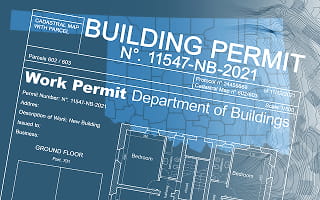
Before listing or renovating a home in Oklahoma, sellers and developers may want to request a zoning compliance letter or zoning verification letter from the local planning department. This letter verifies the property's zoning district and permitted uses, informing a property's compliance with setbacks and dimensional standards, and may include information on any open violations or unpermitted work. While not legally required to list a home, it's often requested by buyers or lenders during escrow because it helps facilitate financing and smooth resale by ensuring the property meets local rules.
Zoning rules vary by city and county in Oklahoma. Therefore, it's important to know the jurisdictions with strict zoning laws, those that require certain special permits before construction, and any mandatory reviews by a historic commission or other committee.
Strict Zoning Laws
Strict zoning laws in Oklahoma limit what property owners and developers can do with their land and buildings. These regulations control everything from building size and use to parking, landscaping, and design. They often require informal reviews, permits, and public hearings before any changes are allowed.
For instance, Oklahoma City enforces strict zoning under Chapter 59 of its municipal code, with rigid standards for setbacks, density, and accessory dwellings. Tulsa has a layered zoning system, multiple overlay districts (e.g., downtown, neighborhood infill, corridor areas) with Board of Adjustment review for variances.
Less Bureaucratic Zoning Laws
Areas with less bureaucratic zoning laws may offer simpler, faster pathways to getting residential projects approved. These localities typically use broad zoning categories, such as "Residential" or "Agricultural," which allow for by-right development of single-family homes and accessory buildings without complex hearings or design approvals.
Canadian County unincorporated zones have no codes that restrict the use or development of property, aside from floodplain and right-of-way permits (when applicable). Rogers County uses simple R-1 and R-2 designations with minimal overlays, allowing accessory dwelling units (ADUs) and lot splits to proceed without delay. However, even in these looser areas, the state building code, floodplain rules, access and right-of-way standards, and septic permits still apply, meaning investors should always account for those requirements.
Special Permit Requirements via a Public Hearing
In many Oklahoma cities, some projects require a special permit and must go through a public hearing process for approval by the local zoning board or planning commission. This applies to uses that don't fit within standard zoning rules, like home businesses, large additions, duplex conversions, or commercial uses in residential areas.
Cities such as Oklahoma City and Tulsa require public notice to neighbors and formal hearings before granting special permissions. The process typically ensures community input and allows cities to review each case individually.
Need for a Certificate of Occupancy
In Oklahoma, a Certificate of Occupancy (CO) is required for new construction, major renovations, or changes of occupancy or use. This certificate confirms that the property has passed all required inspections and complies with applicable building codes, allowing it to be legally occupied. A CO isn't generally required just to sell an unchanged single-family home, and deed recording doesn't depend on it. However, utility providers may require proof of final inspections or a CO before activating permanent service. The CO process ensures that homes are safe and code-compliant before move-in.
Historic Commission Review
In many Oklahoma cities, homes located in historic districts must receive special approval before making changes to their exterior appearance. Local historic preservation commissions help protect the architectural character of these neighborhoods by reviewing proposed renovations, materials, roof styles, and additions. Their goal is to ensure that changes blend in with the neighborhood's original look and feel. For instance, the Oklahoma City Historic Preservation Commission and Tulsa Preservation Commission both require design review before work begins in areas like Heritage Hills or Maple Ridge.
Which Towns or Cities in Oklahoma Are Easiest, and Hardest, When It Comes to Navigating Real Estate Regulations?

It's important for sellers and developers to comply with local zoning rules and get the right permits to avoid delays, legal issues, project rework, and lost value. Below is a view of jurisdictions ranked by regulatory friendliness:
Development-Friendly Areas

These locations in Oklahoma support growth, make it easy to obtain permits, have flexible zoning rules, and offer help from local government to expedite building projects:
- Canadian County (Unincorporated): The Canadian County Permit Office states that unincorporated portions of the county do not have any codes that restrict the use or development of property, except for work in FEMA-designated flood hazard areas.
- Oklahoma City Metro (Midwest City): In Midwest City, the CityWorks Portal is used for building permit intake and tracking. Residential permits are typically reviewed within days, while commercial permits are reviewed within a few weeks.
- City of Okmulgee: Residential building permits are generally approved within two weeks, while commercial permits are typically reviewed within a few weeks.
- Ponca City: The Building Services application process for new construction in Ponca City is relatively simple. Sometimes, these permits are even issued immediately.
- City of Tulsa: The city offers a fast-track option that may enable permit issuance (for interior remodels only) within one business day.
Moderately Regulated Areas (Somewhat Strict Regulations)
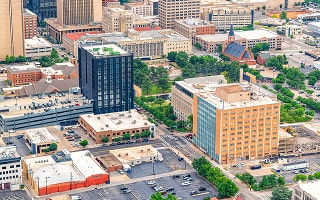
These areas are moderately regulated. They have clear rules, but may require extra steps or reviews before getting building approval.
- Oklahoma City: For the area within and surrounding the State Capitol Complex and OU Medical Center, conditional use permits are handled through the Capitol-Medical Center Improvement and Zoning Commission (CMCIZC). Applicants must issue public notices and attend hearings before approval is granted, but the commission's decision is issued within five days after the hearing. For other areas in Oklahoma City, the Planning Commission and City Council issue special permits, which typically take several weeks.
- City of Tulsa: Tulsa enforces multiple overlay zoning districts and requires Board of Adjustment hearings for variances. For the average new residential construction project, most permits are processed within 2-4 weeks for standard work.
- City of Norman: Norman City has several overlay districts. Projects within these overlay zones or special-use permits must go through pre-development informational meetings and a public hearing. The permit must be approved by the Planning Commission and City Council.
- City of Broken Arrow: The Planning and Development Division reviews all applications for land variances and special uses. A pre-development meeting may be required for major developments. This might also entail review by the Planning Commission and Board of Adjustment, which could take 1-3 months to obtain approval.
- City of Lawton: The city uses a Board of Adjustment to handle variances and special exception requests, including those for setback deviations or nonconforming accessory uses. Applications typically trigger public hearings and a formal review.
Highly Restrictive or Bureaucratic Areas
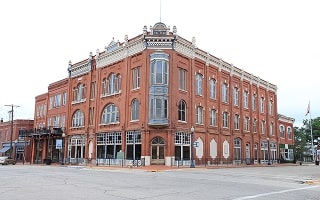
These areas may have strong local opposition to new projects, complicated rules, and slow approval timelines that make development challenging:
- Guthrie Historic District: All exterior work requires Historic Preservation Commissionapproval. The commission meets on a bimonthly schedule, meaning longer review cycles and formal notice requirements.
- Heritage Hills (Oklahoma City): Any exterior change, including façade, landscaping, or roofing, must go through Landmark oversight, often adding cost and time.
- Tulsa Maple Ridge Historic District: Exterior modifications are subject to review under the Tulsa Unified Design Guidelines, which mandate compatibility with the home's historic architectural style and materials.
- Nichols Hills: Nichols Hills Planning Commission and City Council has some of the strictest zoning and design rules in Oklahoma. Setbacks, lot size, trees, and even exterior appearance are tightly regulated, with strong neighborhood oversight. Variances are rarely granted, and projects often face long delays, making Nichols Hills one of the toughest places in the state for new development.
- Automobile Alley (Oklahoma City): The area is governed by Historic Preservation and Urban Design Commissionoversight. Any exterior modifications, including signage, windows, materials, and façade changes, must comply with strict design standards that preserve the district's architectural character
Regulatory Climate Factors

Oklahoma's real estate rules vary by location, making development or flipping easier in some areas than others. Below is a detailed table outlining key regulatory factors in Oklahoma and where they're applicable.
Factor |
Impact on Development |
Where It's Found |
|---|---|---|
Zoning Flexibility |
Determines ease of land use |
Canadian County (unincorporated), Rogers County, Muskogee County, Tulsa (Kendall-Whittier), Mustang, and Owasso |
Historic Preservation Laws |
Adds restrictions |
Oklahoma City (Mesta Park, Automobile Alley), Tulsa (Maple Ridge, Arts District), Norman Downtown Historic District, and Guthrie Historic District |
Wetlands/Conservation |
Limits buildable land |
Eastern Oklahoma near Grand Lake, Cherokee County (Lake Tenkiller), parts of McCurtain County, and the Arkansas River floodplain in Tulsa |
Voluntary Affordability |
Requires affordable units |
Oklahoma City density-bonus districts, Norman (University North Park), Tulsa (Downtown Housing Overlay), and Edmond Core District |
Building Code Enforcement |
Affects cost/speed |
Oklahoma City, Norman, Edmond, Broken Arrow, and Tulsa |
Local Politics/NIMBYism* |
Blocks or delays projects |
Nichols Hills, Tulsa's Brookside and Cherry Street areas, Norman's Rock Creek Neighborhood, Stillwater near OSU, and Edmond's historical areas |
*NIMBYism - Not in My Backyard
What Are the Most Effective Flipping and Resale Strategies for Maximizing Profit in Oklahoma's Housing Market?

To help ensure a profit when flipping or reselling a home in Oklahoma, it's important to match your strategy to the local market. Big cities like Oklahoma City and Tulsa have different buyer needs than smaller towns and rural areas. Additionally, if you target flips in historic areas like Heritage Hills, Maple Ridge, and Mesta Park, plan for lead-safe practices, historic certificate of appropriateness (COA) timelines, and premium exterior work (e.g., wood windows and siding profiles). Generally, the following are the most effective flipping and resale strategies to maximize profit in Oklahoma's housing market:
-
![]()
Target Distressed or Foreclosed Homes: Targeting distressed or foreclosed homes in Oklahoma may be a smart way to maximize profit. Cities like Tulsa, Lawton, and Midwest City often have a steady flow of pre-foreclosures, bank-owned properties, and auction listings. Distressed or foreclosed homes usually sell below market value, giving investors the chance to buy low, renovate, and sell high.
-
![]()
Use the 70% Rule: The 70% rule helps Oklahoma flippers avoid overpaying and may protect their profit margins. It works by taking the after-repair value (ARV) of the home, multiplying it by 70%, and then subtracting the estimated repair costs. The result is your maximum purchase price. The 70% rule is ideal in lower-margin markets, such as Enid and Muskogee, where home prices don't leave much room for error.
-
![]()
Try Wholetailing for Speed: Here, investors make light cosmetic upgrades, such as painting, cleaning, and staging, before quickly putting the home back on the market, skipping full renovation costs and time. Wholetaling is ideal in Oklahoma suburbs, such as Moore, Broken Arrow, and Yukon, where homes sell quickly.
-
![]()
Follow the BRRRR Method (Buy, Rehab, Rent, Refinance, Repeat): In places like Stillwater and Norman, where student and faculty housing demand remains strong, investors can buy undervalued homes, renovate them, then rent them out for steady income. After the property is stabilized with tenants, refinance the property to pull out as much of your initial investment as possible, usually 75%-80% of the home's new value. That cash may then be used to fund your next property investment.
-
![]()
Go Beyond Cosmetic Work (Value-Add Flipping): Value-add flipping goes beyond surface upgrades like painting and fixtures, and can help raise a home's ARV. It involves adding usable space or new features to boost a property's resale value. In Oklahoma, this strategy works well in cities with flexible zoning, like Oklahoma City, Norman, and Stillwater. Investors may convert basements or garages into extra bedrooms or add an additional bathroom.
-
![]()
Use Staging and Strategic Pricing: This involves staging a home to look its best and pricing it to attract maximum buyer interest. In hot Oklahoma markets, such as Oklahoma City, Bixby, and Edmond, professionally staged homes with neutral colors, clean layouts, and curb appeal stand out online and in person. When paired with pricing just below the key threshold, the listing may draw more traffic and even create a bidding war. Staged homes help buyers imagine themselves living in the space, and when done thoughtfully, generally results in quicker offers and higher sales prices than non-staged homes.


How Should Sellers Price Their Homes to Attract Buyers While Maximizing Value in Oklahoma?
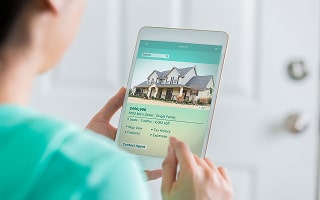
To price your Oklahoma home for the best return and strongest buyer interest, start by working with a local real estate agent or a licensed appraiser to complete a 90-day comparative market analysis (CMA). This will help you understand what similar homes in your area are selling for, so you can price your home to sell fast. With your CMA in hand, you can choose the right pricing strategy, which typically includes one or more of the following:
-
![]() Pricing Just Below Below Market Thresholds: This pricing strategy involves listing your home slightly under major price points, like $249,900 instead of $250,000, to attract more buyers. This works because many homebuyers set online search filters at round numbers. By staying just below round threshold numbers, your listing appears in more results and feels like a better deal. In busy suburbs like Edmond, Broken Arrow, and Yukon, this tactic increases online traffic and encourages more in-person showings.
Pricing Just Below Below Market Thresholds: This pricing strategy involves listing your home slightly under major price points, like $249,900 instead of $250,000, to attract more buyers. This works because many homebuyers set online search filters at round numbers. By staying just below round threshold numbers, your listing appears in more results and feels like a better deal. In busy suburbs like Edmond, Broken Arrow, and Yukon, this tactic increases online traffic and encourages more in-person showings.
-
![]() Charm Pricing (Psychological Pricing): Here, homes are listed with prices ending in numbers like "7" or "9", for instance, $179,999 instead of $180,000, to create the perception of a better deal. This subtle pricing appeals to budget-conscious buyers by making the home seem more affordable, even if the difference is just a few dollars. Charm pricing is ideal in mid-tier Oklahoma markets such as Lawton, Enid, and Midwest City, where many buyers are watching their budgets closely.
Charm Pricing (Psychological Pricing): Here, homes are listed with prices ending in numbers like "7" or "9", for instance, $179,999 instead of $180,000, to create the perception of a better deal. This subtle pricing appeals to budget-conscious buyers by making the home seem more affordable, even if the difference is just a few dollars. Charm pricing is ideal in mid-tier Oklahoma markets such as Lawton, Enid, and Midwest City, where many buyers are watching their budgets closely.
-
![]() Pricing to Create a Bidding War: This strategy involves pricing your home slightly below market value to attract more buyers and spark competition. For instance, listing your property at $549,000 in a $565,000 neighborhood to draw in more interest. When a buyer sees others making offers, urgency rises, usually leading to escalated bids. In hot Oklahoma markets, such as Nichols Hills, Jenks, and Tulsa's Midtown District, this strategy may result in multiple offers, faster sales, and sale prices exceeding the original asking.
Pricing to Create a Bidding War: This strategy involves pricing your home slightly below market value to attract more buyers and spark competition. For instance, listing your property at $549,000 in a $565,000 neighborhood to draw in more interest. When a buyer sees others making offers, urgency rises, usually leading to escalated bids. In hot Oklahoma markets, such as Nichols Hills, Jenks, and Tulsa's Midtown District, this strategy may result in multiple offers, faster sales, and sale prices exceeding the original asking.
-
![]() High-Anchor Pricing (Test the Waters): High-anchor pricing means listing your home at the top end of its value range to highlight its luxury features and create room for negotiation. This approach appeals to buyers seeking exclusivity, especially in luxury areas with low inventory and high buyer expectations. In upscale neighborhoods like Bixby's South Park or Moore's Whispering Meadows, starting at $589,900 in a $550,000-$590,000 range signals premium quality.
High-Anchor Pricing (Test the Waters): High-anchor pricing means listing your home at the top end of its value range to highlight its luxury features and create room for negotiation. This approach appeals to buyers seeking exclusivity, especially in luxury areas with low inventory and high buyer expectations. In upscale neighborhoods like Bixby's South Park or Moore's Whispering Meadows, starting at $589,900 in a $550,000-$590,000 range signals premium quality.
-
![]() Price-Per-Square-Foot Benchmarking: This strategy focuses on setting your asking price based on the average price per square foot in your neighborhood. Price-per-square-foot benchmarking works best in uniform areas, such as Oklahoma City's Memorial South, Norman's Whispering Hills, or Tulsa's Carbondale, where homes have similar layouts and features. Buyers in these areas typically compare value by calculating prices per square foot, so aligning with the local average ensures your home is priced fairly.
Price-Per-Square-Foot Benchmarking: This strategy focuses on setting your asking price based on the average price per square foot in your neighborhood. Price-per-square-foot benchmarking works best in uniform areas, such as Oklahoma City's Memorial South, Norman's Whispering Hills, or Tulsa's Carbondale, where homes have similar layouts and features. Buyers in these areas typically compare value by calculating prices per square foot, so aligning with the local average ensures your home is priced fairly.
-
![]() Appraisal-Backed Pricing: Appraisal-backed pricing means setting your list price close to what the home is likely to appraise for, usually 95%-100% of its expected appraised value. This is important in areas such as Stillwater, Midwest City, Lawton, and Del City, where buyers usually have limited cash to cover appraisal shortfalls and often finance their purchases using FHA or VA loans. Pricing too high may lead to appraisal gaps, causing delays, renegotiations, or failed deals. By aligning with the appraised value, sellers reduce risk, attract qualified buyers, and speed up closing.
Appraisal-Backed Pricing: Appraisal-backed pricing means setting your list price close to what the home is likely to appraise for, usually 95%-100% of its expected appraised value. This is important in areas such as Stillwater, Midwest City, Lawton, and Del City, where buyers usually have limited cash to cover appraisal shortfalls and often finance their purchases using FHA or VA loans. Pricing too high may lead to appraisal gaps, causing delays, renegotiations, or failed deals. By aligning with the appraised value, sellers reduce risk, attract qualified buyers, and speed up closing.
-
![]() Net-to-Seller Pricing: Net-to-seller pricing sets your asking price based on what you want to walk away with after subtracting all costs, like agent commissions, title fees, and taxes. This pricing strategy is useful in higher-tax areas, such as Oklahoma City, Tulsa, Bixby, Norman, and Moore, where seller costs can add up. Sellers calculate their ideal net profit first, then factor in typical closing costs to determine the list price.
Net-to-Seller Pricing: Net-to-seller pricing sets your asking price based on what you want to walk away with after subtracting all costs, like agent commissions, title fees, and taxes. This pricing strategy is useful in higher-tax areas, such as Oklahoma City, Tulsa, Bixby, Norman, and Moore, where seller costs can add up. Sellers calculate their ideal net profit first, then factor in typical closing costs to determine the list price.
-
![]() Urgency Pricing (Motivated Seller Strategy): Here, homeowners list their property slightly below market value (usually 5%-8% lower) to attract serious buyers and secure quick closings. This is especially useful in situations such as pre-foreclosure, probate, or divorce sales, where closing fast is more important than getting top dollar for the property. Buyers see the lower price as a deal and are more willing to move fast and pay cash. In areas such as South Oklahoma City, Del City, Lawton, and Muskogee, where some sellers face time pressure, this strategy may reduce days on the market and spark multiple offers.
Urgency Pricing (Motivated Seller Strategy): Here, homeowners list their property slightly below market value (usually 5%-8% lower) to attract serious buyers and secure quick closings. This is especially useful in situations such as pre-foreclosure, probate, or divorce sales, where closing fast is more important than getting top dollar for the property. Buyers see the lower price as a deal and are more willing to move fast and pay cash. In areas such as South Oklahoma City, Del City, Lawton, and Muskogee, where some sellers face time pressure, this strategy may reduce days on the market and spark multiple offers.


To price a home effectively in Oklahoma and get the best results, sellers should match their pricing strategy to the type of property and the current market. The table below shows the best pricing methods to use for different situations, helping sellers seek faster offers and get more money for their homes.
Market Condition |
Best Strategy |
|---|---|
Seller's Market |
Underpricing for a bidding war |
Buyer's Market |
Charm pricing or net-to-seller |
Unique, luxury home |
High-anchor + value justification |
Entry-level home |
Just below threshold |
Urgent sale needed |
Aggressive urgency pricing |
Flipper or investor listing |
Appraisal-backed or price-per-square-foot |
Which Key Economic, Social, and Regulatory Factors Are Driving Current Trends in Oklahoma's Local Property Markets?

The Oklahoma property market is driven by strong economic growth, changing demographics, and a generally business-friendly climate. However, local rules and policies, as well as other factors, may still have a major impact on housing demand and supply, including:
![]() Economic Factors
Economic Factors
 Economic Factors
Oklahoma's economy recorded a 2.4% year-over-year increase in nonfarm jobs growth in 2024, fueled by expansions in the energy, aerospace, healthcare, and logistics industries. This has significantly increased homebuying across Oklahoma City, Tulsa, and growing regional hubs such as Newcastle and Owasso. In addition, the state's low cost of living keeps housing relatively affordable, with median home prices around $260,000, well below the national median.
To meet this demand, builders are intensifying new home construction, especially in suburban areas like Cleveland and Canadian County. The increase in permitting is also helping ease inventory pressure and support housing activity across the state.
![]() Demographic and Social Factors
Demographic and Social Factors
 Demographic and Social Factors
Oklahoma attracts new residents from higher-cost states such as California and Texas, boosting demand for housing in both cities and suburbs. The state's median age is 37 years, meaning many buyers prefer 3-4 bedroom homes suited for families. At the same time, younger professionals and retirees are drawn to energy-efficient homes and walkable, mixed-use neighborhoods. Therefore, urban areas such as Oklahoma City, Norman, Broken Arrow, and Tulsa see high demand for condos, while suburbs like Edmond, Bixby, and Jenks see more demand for single-family homes.
![]() Regulatory and Legal Framework
Regulatory and Legal Framework
 Regulatory and Legal Framework
Oklahoma has no statewide rent control, which appeals to investors and landlords. Building permit issuance is generally quicker and easier in unincorporated areas such as Canadian, Rogers, and Pawnee counties, allowing faster starts on builds and renovations. Cities like Oklahoma City, Tulsa, and Norman have detailed zoning codes but don't heavily restrict density. This makes it easier to add ADUs, split lots, or build infill housing in such areas. In addition, suburbs, such as Moore, Midwest City, and Broken Arrow, support residential growth through zoning flexibility.
![]() Taxation and Fiscal Policy
Taxation and Fiscal Policy
 Taxation and Fiscal Policy
Oklahoma's low property tax rate of about 0.82% puts it squarely in the middle of all U.S. states. And, unlike some states, Oklahoma has no state-level estate or inheritance tax. Income and capital gains taxes also remain moderate. This tax-friendly environment benefits buyers across the state. First-time buyers in cities such as Norman, Stillwater, Enid, and Lawton can also access down payment and closing cost assistance through the Oklahoma Housing Finance Agency. These incentives help reduce upfront costs and make homeownership more accessible statewide.
![]() Housing Policy and Government Programs
Housing Policy and Government Programs
 Housing Policy and Government Programs
Oklahoma supports homeownership through a mix of state and local programs. The Affordable Housing Tax Credit and grants help fund affordable housing, especially in Tulsa, Oklahoma City, and growing cities such as Lawton and Muskogee. In Oklahoma City, incentive zones, such as MAPS 3, promote mixed-use and transit-friendly projects. Smaller cities like Norman and Broken Arrow also benefit from local programs that streamline permitting or offer tax abatements. Together, these policies increase housing options across urban, suburban, and rural parts of the state.
![]() Infrastructure and Development Trends
Infrastructure and Development Trends
 Infrastructure and Development Trends
Oklahoma's infrastructure improvements are unlocking new real estate opportunities across the state. The I-44 bridge upgrades are boosting access to neighborhoods in Tulsa, Bethany, and Del City, making them more attractive for residential and commercial investment. The Tulsa River Park expansion is promoting new development to nearby areas like Jenks and Sand Springs. In Oklahoma City, plans to extend the Streetcar System are encouraging mixed-use and infill projects near downtown Midtown and Capitol Hill.
![]() Market Sentiment and Investor Behavior
Market Sentiment and Investor Behavior
 Market Sentiment and Investor Behavior
Investors' interest in Oklahoma remains strong due to affordable home prices, steady cash flow, and home appreciation. Cities like Norman, Edmond, and Midwest City attract long-term investors seeking stable rental income and low vacancy rates, while colleges and military bases support consistent turnover and rent growth in areas like Stillwater and Lawton. For flippers, areas where cosmetic rehabs may yield quick profits are becoming increasingly popular, including Oklahoma City Midtown, Tulsa's Kendall-Whittier, and growing suburbs like Moore and Broken Arrow.
Oklahoma's housing market offers strong opportunities for buyers, sellers, and investors due to its affordability, growing population, and relatively flexible building codes. Homes in suburbs sell quickly, while urban areas may deliver higher returns. Success in flipping, pricing, or development depends on understanding local conditions, rules, and regulations. Many areas across Oklahoma are builder-friendly, with low barriers to entry that support new construction and renovations. Ongoing job growth, in-migration, and infrastructure spending help keep demand steady. To get the best results, sellers and developers should stay updated on local trends, buyers' dynamic needs, and the pricing strategies that work best in each property's locale.
Table of Contents
- Oklahoma Home Selling
- Which Areas in Oklahoma Offer the Best Return on Investment and Are Easiest for Residential Property Development?
- What Home Styles, Sizes, and Features Tend to Sell Fastest in the Oklahoma Market?
- What Should Home Sellers Know About Zoning Laws, Permits, and Regulatory Requirements in Oklahoma?
- Which Towns or Cities in Oklahoma Are Easiest, and Hardest, When It Comes to Navigating Real Estate Regulations?
- What Are the Most Effective Flipping and Resale Strategies for Maximizing Profit in Oklahoma's Housing Market?
- How Should Sellers Price Their Homes to Attract Buyers While Maximizing Value in Oklahoma?
- Which Key Economic, Social, and Regulatory Factors Are Driving Current Trends in Oklahoma's Local Property Markets?